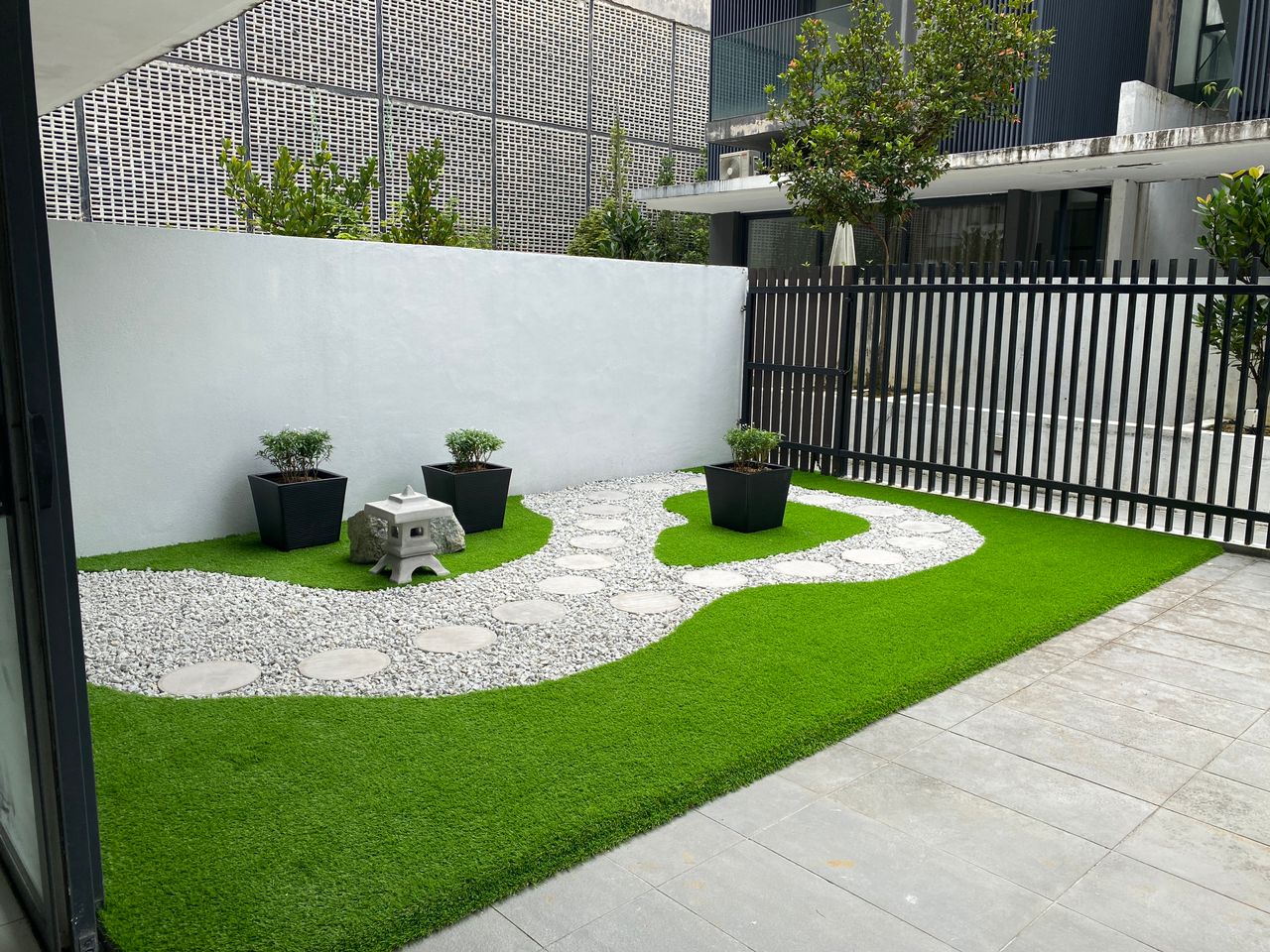
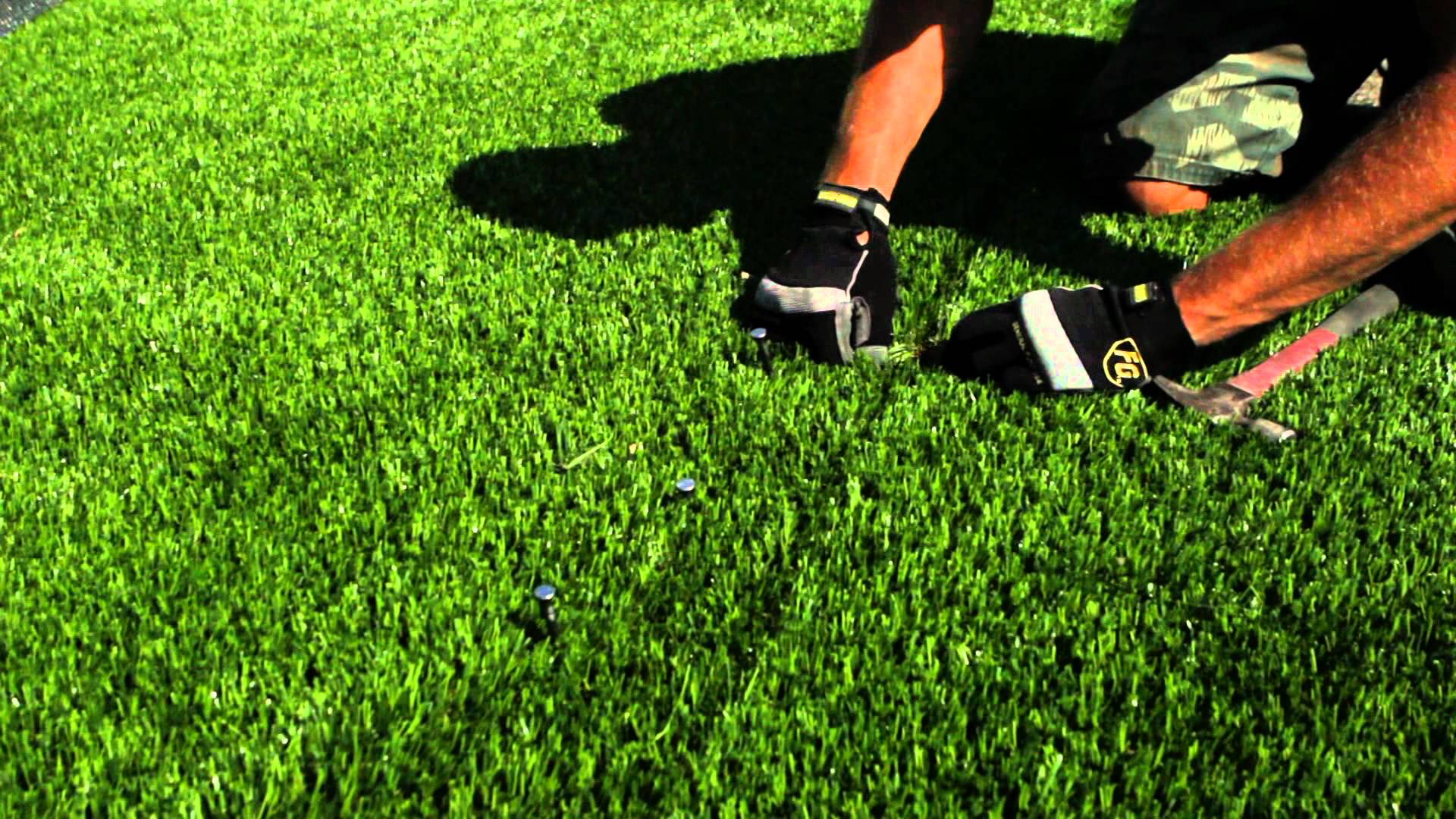
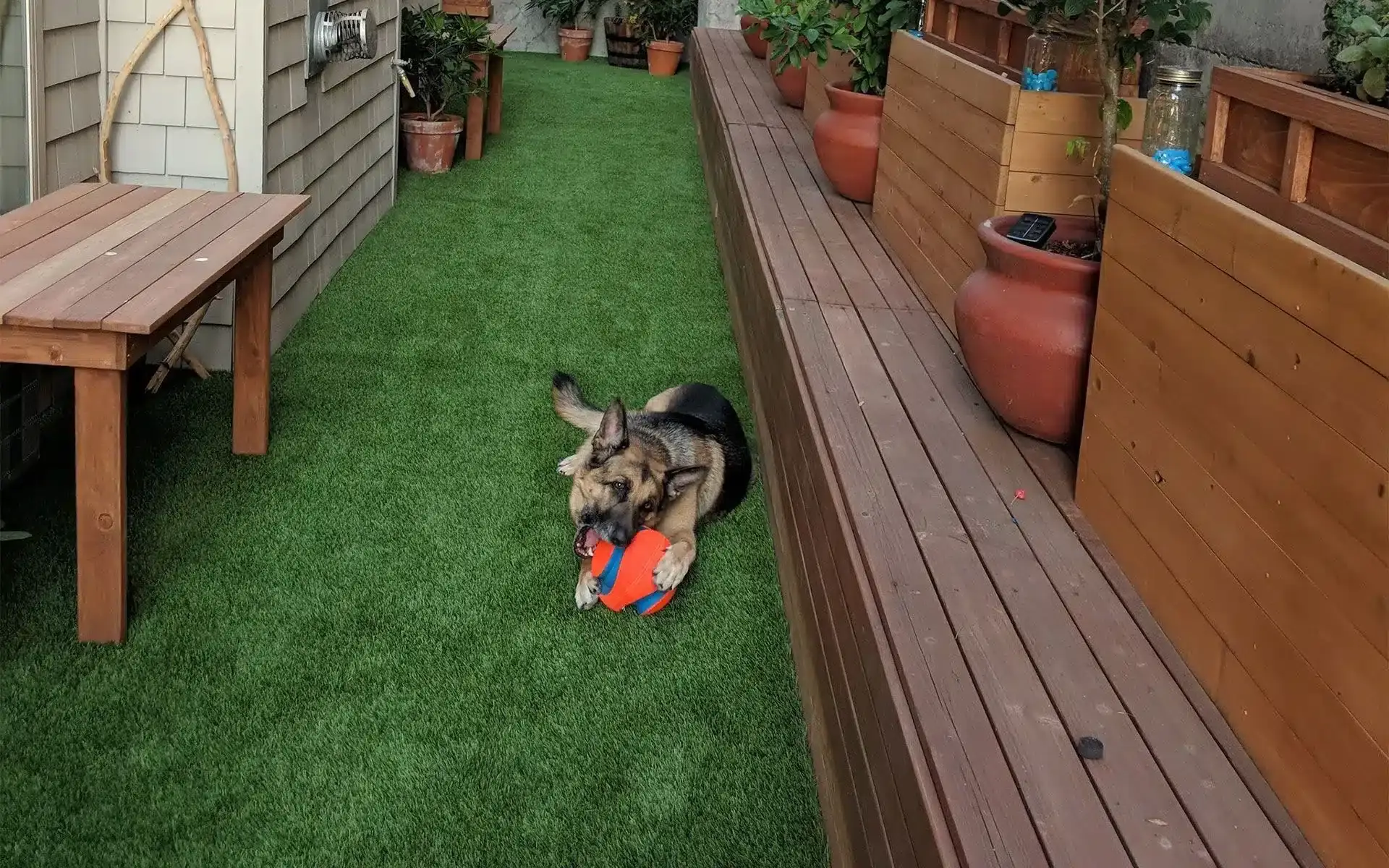
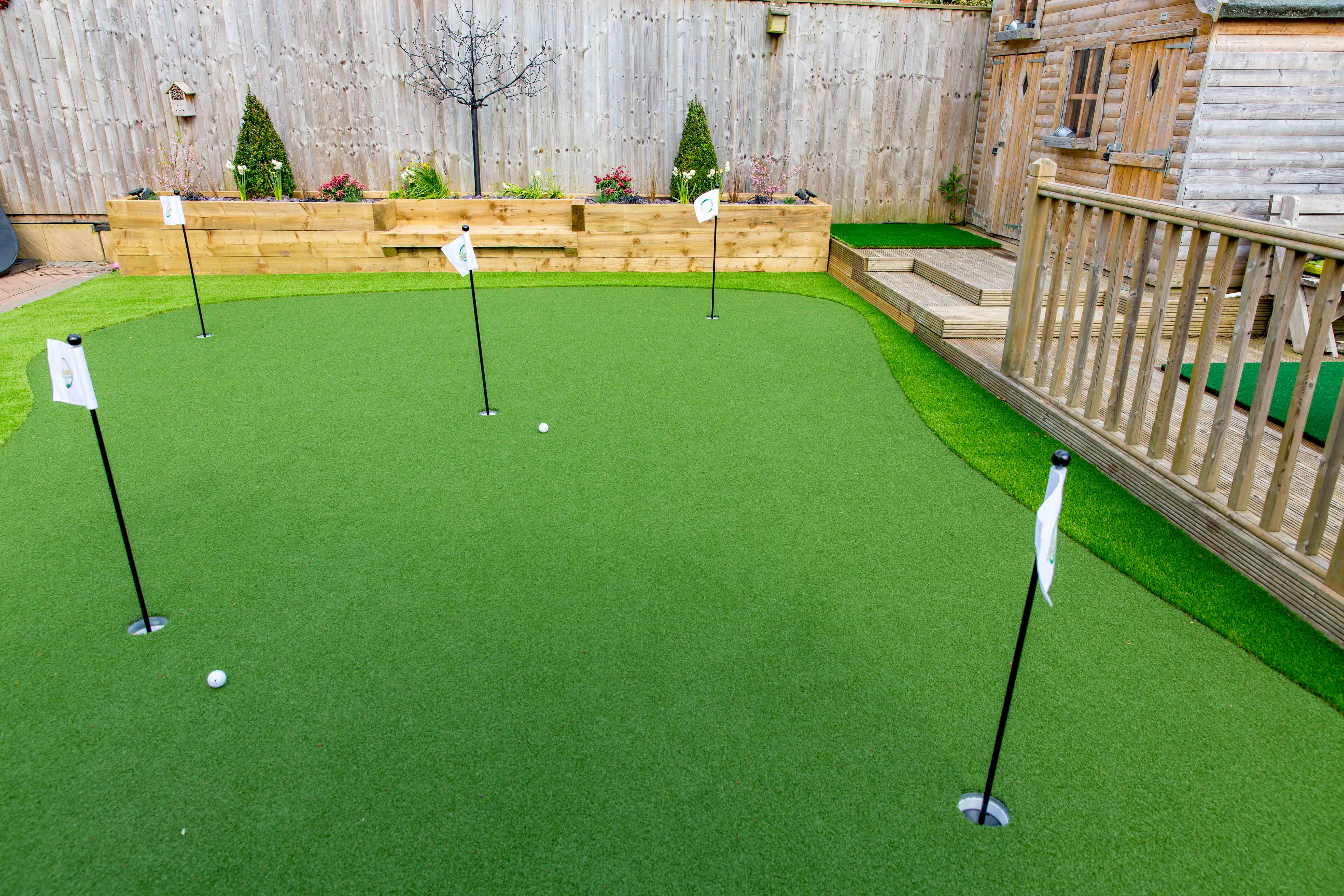
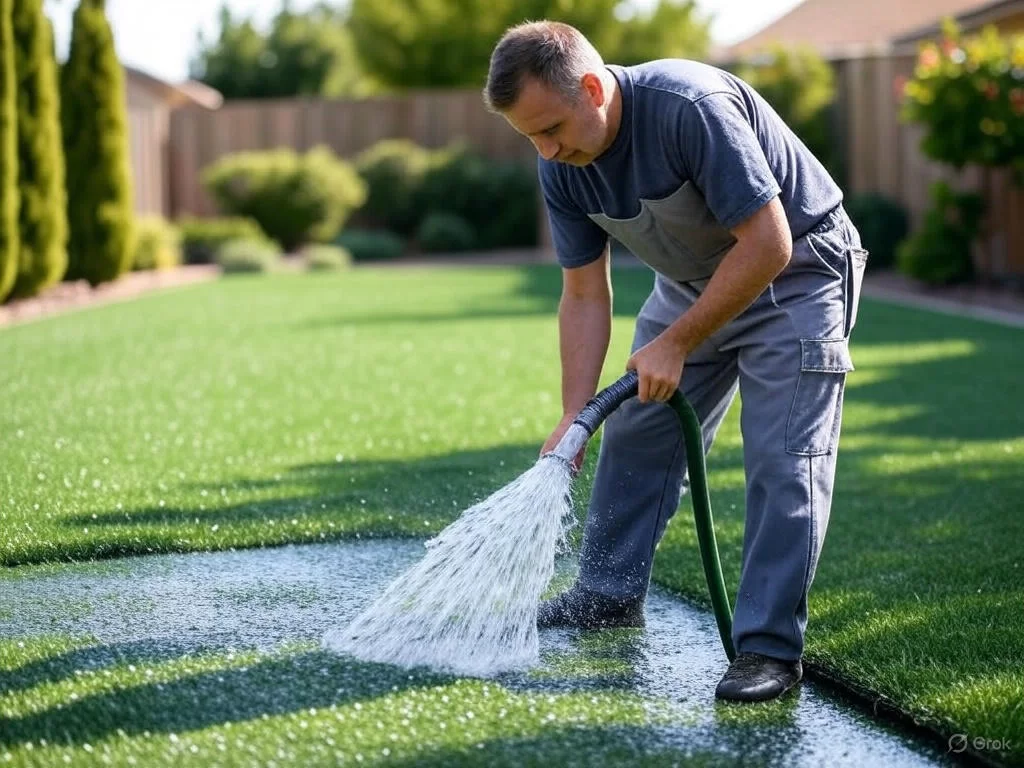
Watauga occupies a compact, fully built-out footprint between North Richland Hills, Keller, and Hurst — a position that defines the character of this community. The neighborhoods here are established, the trees are mature, and the homeowners tend to be long-term residents who know what they want from their properties. Artificial Turf of North Richland Hills serves Watauga as part of our core Mid-Cities territory, bringing the same drainage-first installation approach we use throughout Tarrant County to a city where lot sizes, tree root systems, and clay subgrade require real attention to base prep. Watauga sits in the Birdville ISD attendance zone alongside North Richland Hills, which means families here share the same busy school and activity schedules that make low-maintenance outdoor spaces worth the investment. Evening practices, weekend tournaments, and the general pace of a household with kids in Birdville middle and high schools leave little time for mowing, edging, and irrigation management. Artificial turf removes those tasks from the list entirely. The street grid in Watauga runs close, and front yards here are visible from the road in ways that make curb appeal matter beyond just personal preference. Natural bermuda and st. augustine struggle through the late-July and August heat load in North Tarrant County, going dormant and brown during the peak of summer when outdoor spaces see the most use. Our turf products maintain consistent color and texture from April through October and beyond, giving Watauga homes a clean, polished front face through every season. For backyard installations, Watauga's lot configurations often include privacy fencing, detached garages, and access gates that define the project boundaries in ways that require careful seam placement and edging. Our crews assess each property individually rather than applying a standard layout template. We account for drainage direction, existing hardscape, shade patterns from mature trees, and the traffic patterns that come with active household use. The result holds up through three or four years of daily use rather than needing adjustment after the first summer season.